Wednesday, May 26, 2010

INASLA Call for Nominations: 2010-2011 Executive Committee

Dear INASLA Members,
Please allow me to take this opportunity to invite you to submit nominations for the 2011 INASLA Executive Committee. The honor to select your professional representatives is bestowed upon every single member of the chapter and is the vital link to ensuring the continued vitality of our important organization.

There are few better ways to compliment one of your fellow professionals than to recommend them as a candidate to invest their skills and apply their professional judgment towards making critical decisions on behalf of all INASLA members.

Likewise, there is no better way to give back to your profession than to volunteer your time and talents towards ensuring the continued growth of our profession. Either of these important honors can be accomplished by simply participating in the INASLA Executive Committee nominating process by either nominating somebody else, or yourself.

Please take a few minutes of your time to review the enclosed description of the available positions for the 2011 term and fi lling out the enclosed nominating ballot. You do not have to complete the entire ballot for it to be valid; simply a single name is all that is required. I assure you, your investment will pay dividends in knowing that the future of your professional organization is in capable hands.

If you have any questions about the nominating process please do not hesitate to contact me via e-mail at Indiana.asla@gmail.com.

Thank you for taking the time to help shape the face of the 2011 INASLA Executive Committee and the future of our profession.
You can find the nomination form here.

Thursday, May 20, 2010

INASLA Takes a Trip to the Zoo!

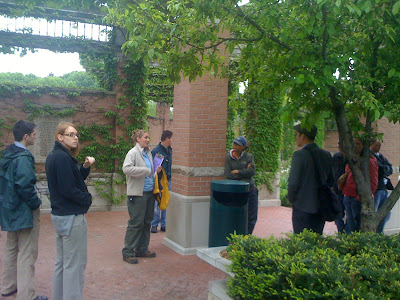
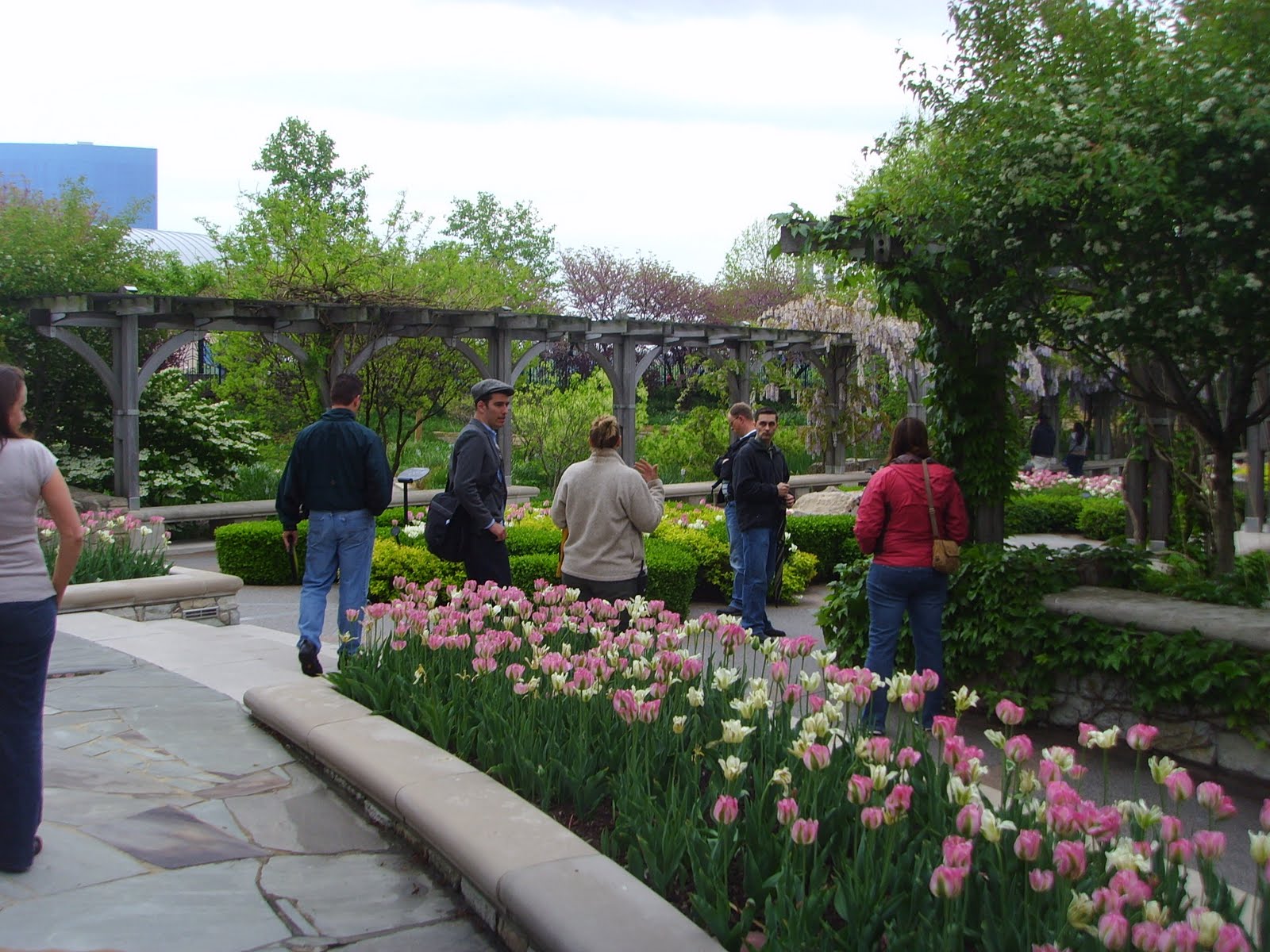
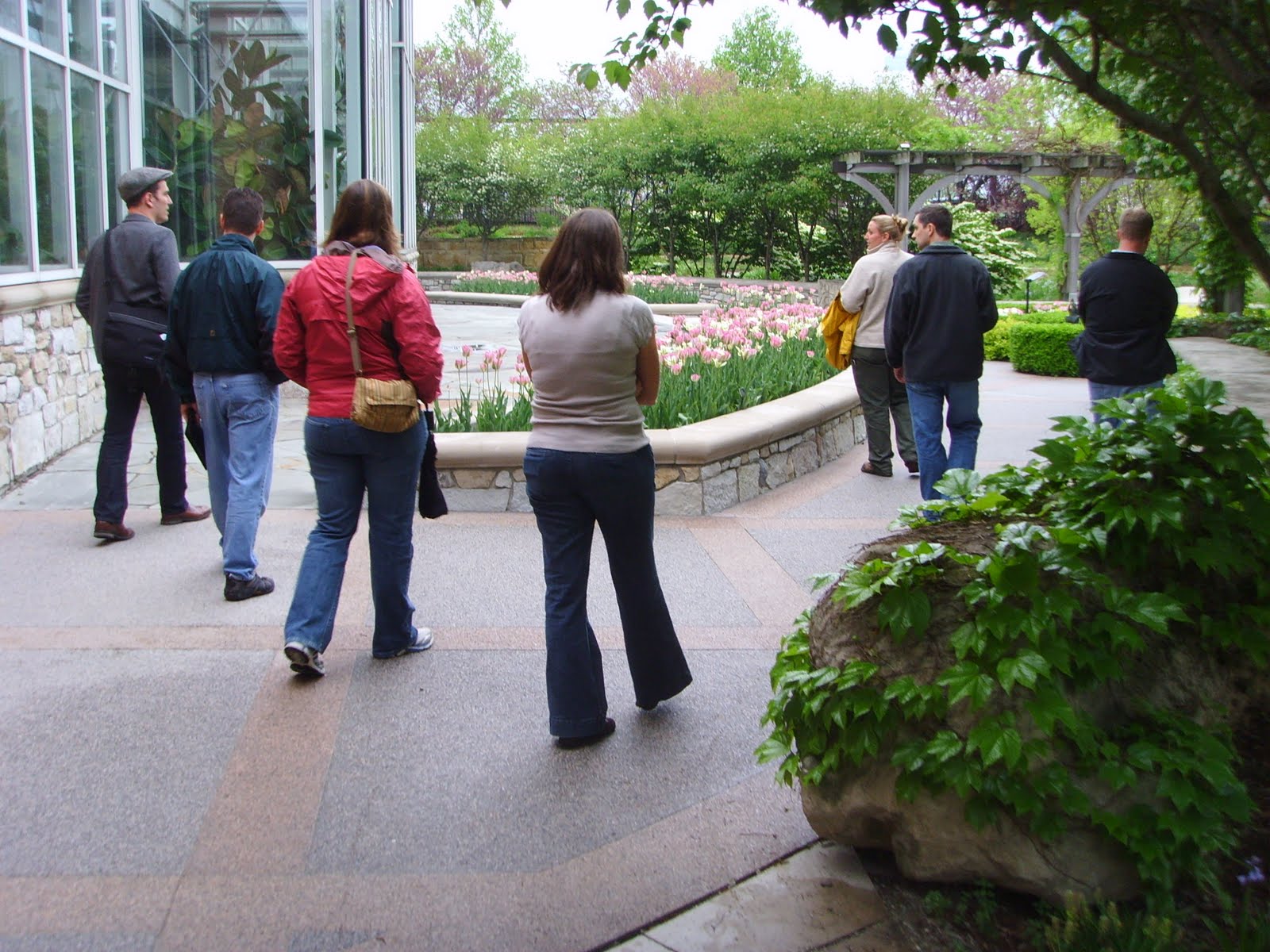
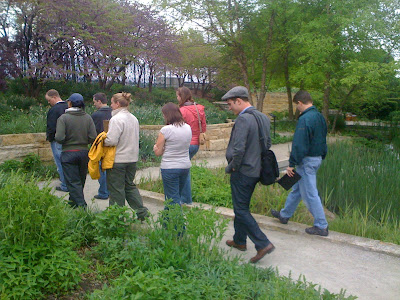
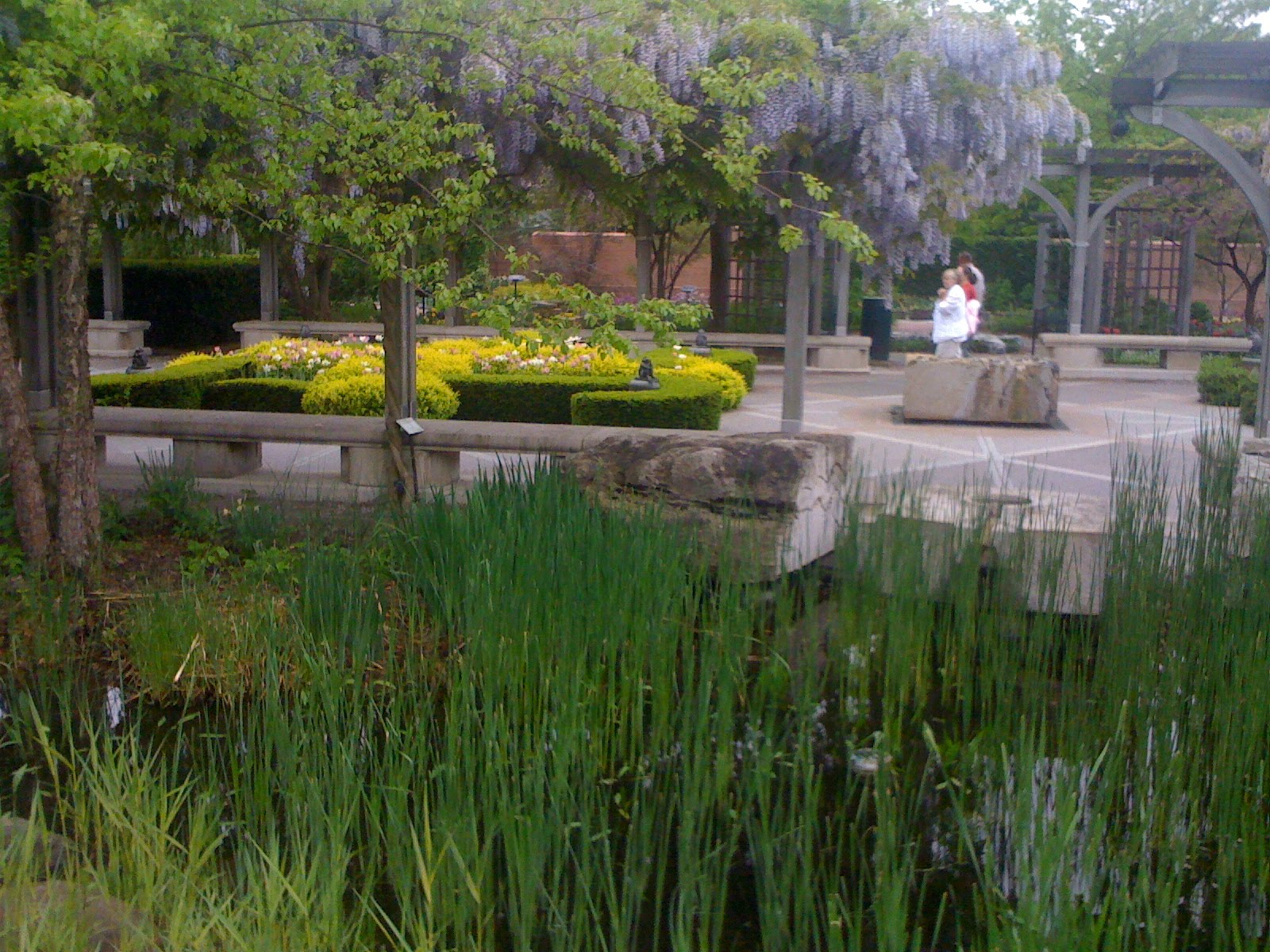
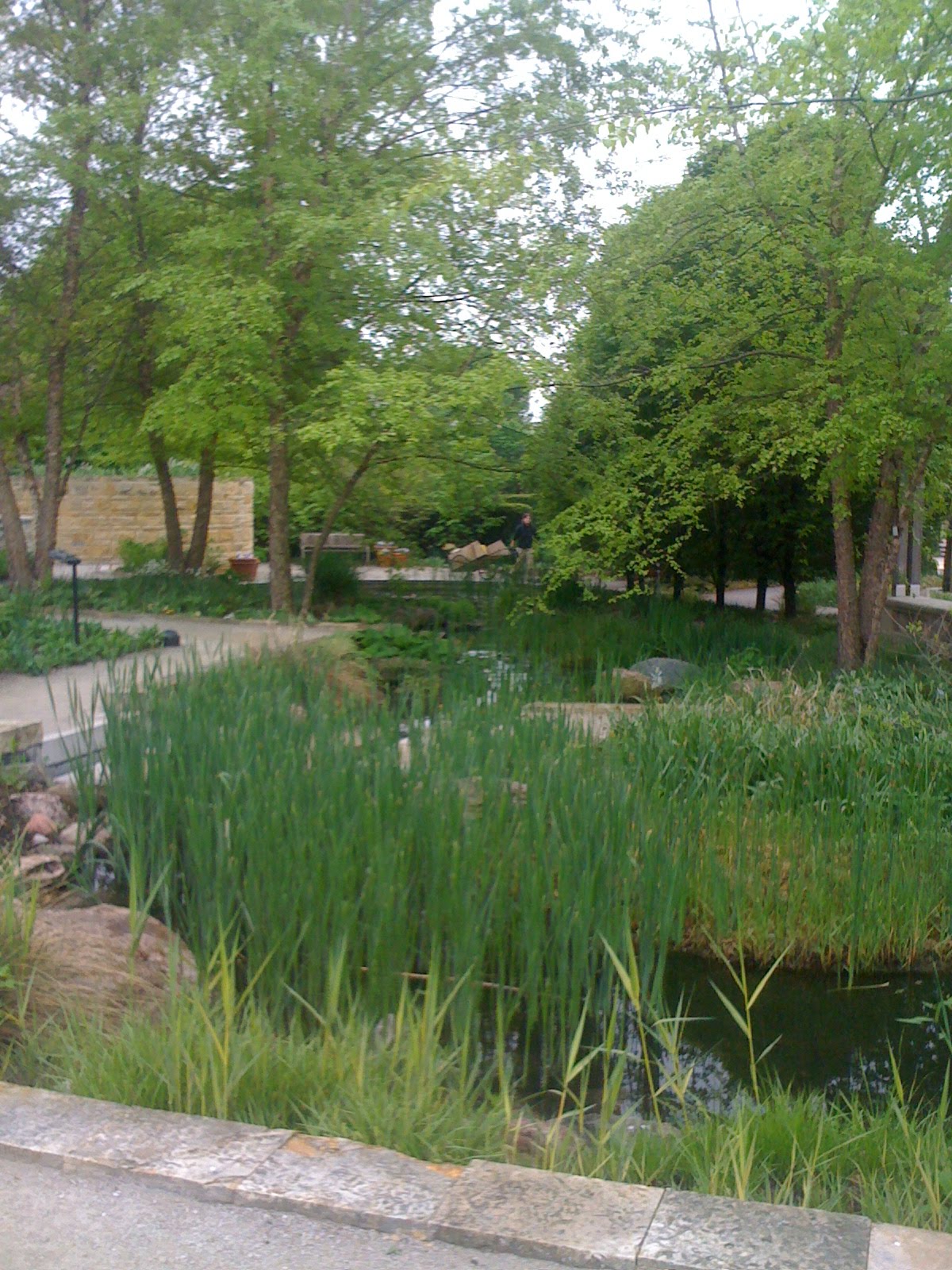
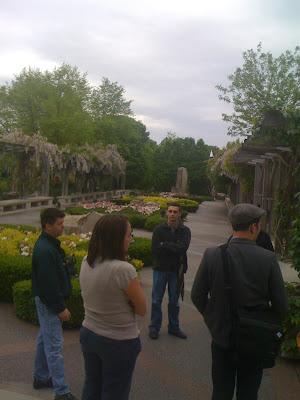
On the afternoon of April 23 a small group of INASLA members braved the cold to take a behind the scenes tour of the Indianapolis Zoo and Botanical Gardens. We began by meeting our tour guide Abby McCoy who gave us a brief overview of the botanical garden and zoo setup. Then we began the event by visiting White River Gardens. We were allowed to explore for a few minutes before being introduced to one of the horticulturists that care for the botanical gardens.

We visited the gardens a week late, as many of the spring bulbs had already flowered and had been removed, but we were able to catch a couple of tulip masses while we were there.

As the horticulturist lead us through the gardens she gave us an idea of what her daily routine is like, what her responsibilities are when it comes to design and renovation and some of her favorite plant species. It was really interesting to hear how attached the horticulture staff gets to their plantings!
Another interesting face is that the entire White River Gardens area is taken care of by only two full time people. During the height of summer a few other seasonal employees are on hand, but for the most part there are only two people there day in and day out.


After the seeing the botanical gardens we were lead through the zoo grounds and got a chance to see the different areas of the zoo. We even were lucky enough to see the Cheetah exhibit that hasn't even been open to the public.
Interesting fact #2 that we learned on our tour- many times when the zoo has trees that need to be removed, they simply hitch their elephant to the tree and ask them to walk. So much simpler then renting equipment, cutting it down and then dealing with a stump!
In addition to seeing all of the interesting plant material, and the interesting ways the material is used a true highlight of the trip was being able to see the animals in a way that many people don't get a chance to. The zoo was nearly empty when we there so it was much easier to imagine the animals in their native habitat. The animals must have been at ease too because we happened upon the walrus's during an intimate moment.

The tour was great, and it was very valuable to hear a different viewpoint on design and maintenance. We hope to be able to bring additional tour possibilities to our membership later this year!

INASLA sponsors tree planting in Columbus, IN

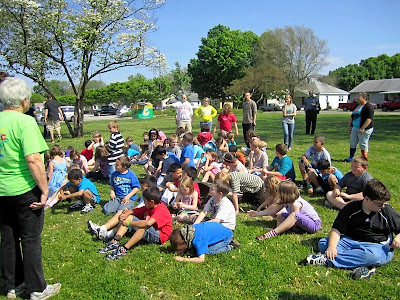
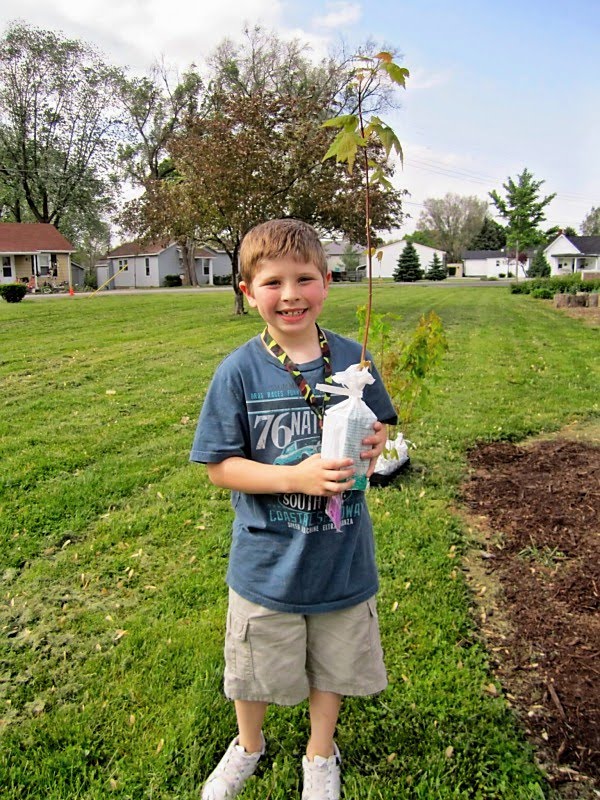
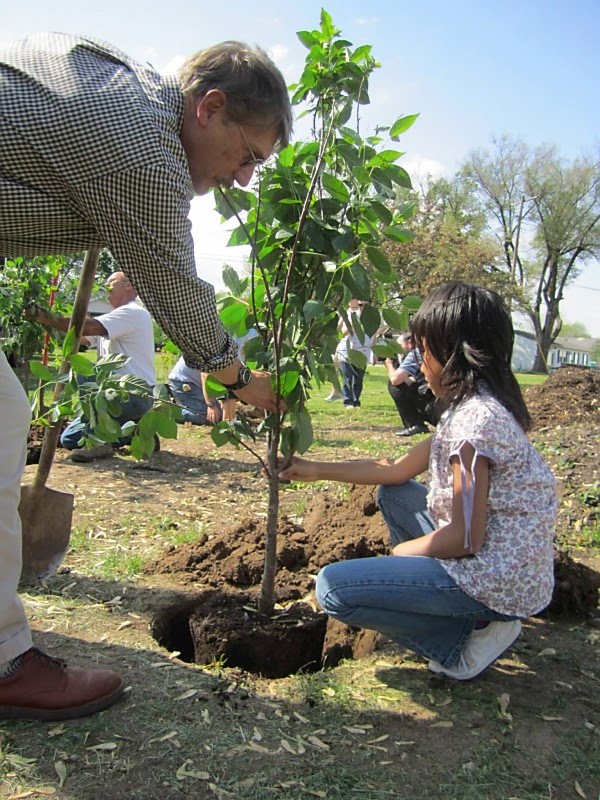
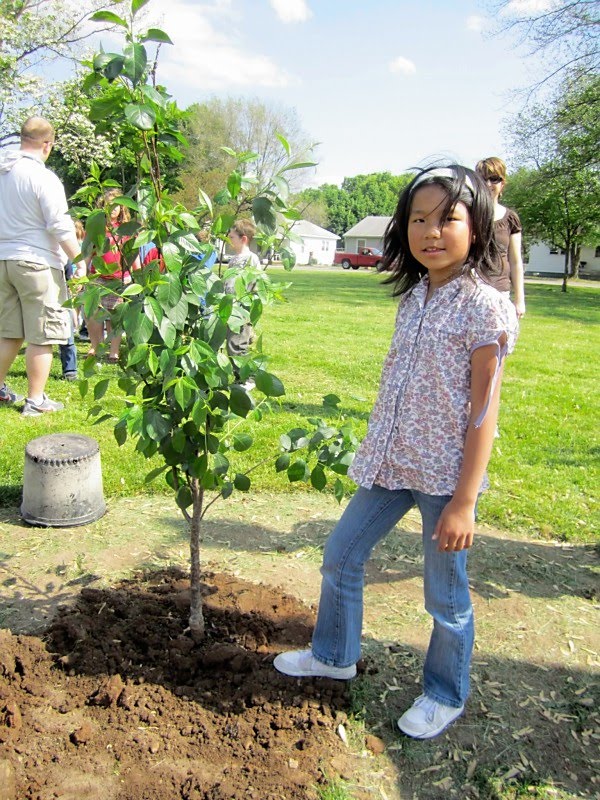
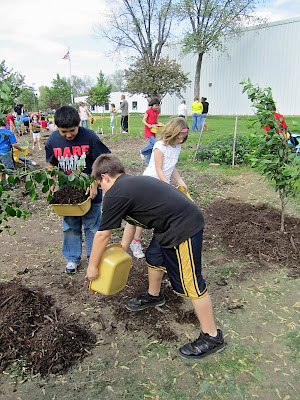
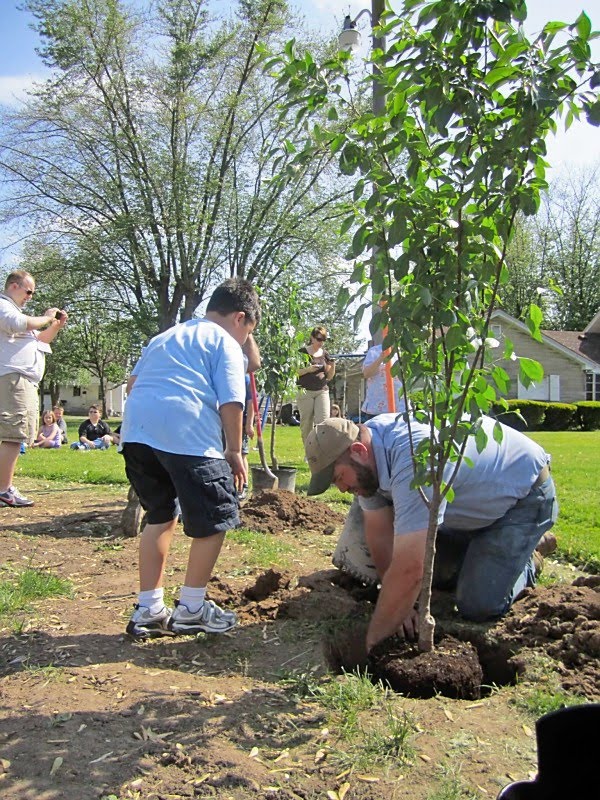
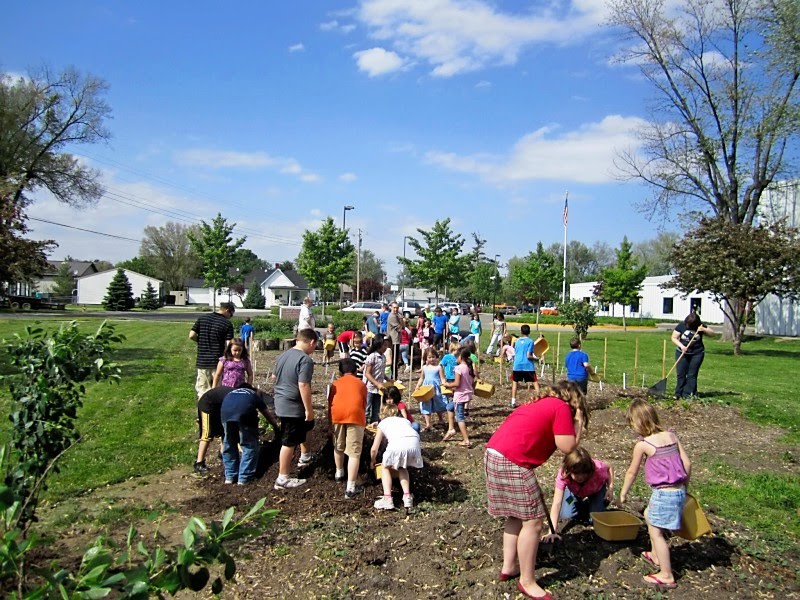
On April 30th INASLA assisted the Columbus Parks and Recreation Department in their Arbor Day Tree Planting Ceremony at the Foundation for Youth (FFY). Over 30 children spent time learning about the benefits of trees as well as the profession of landscape architecture. Three cherry trees were planted adjacent to the FFY Garden that supplies a variety of vegetables and flowers to the children throughout the summer. The cherry trees will add to the variety offered. The children tend to the garden throughout the summer with the season culminating with the sale of homeade salsa from the garden produce. The garden and tree planting are wonderful examples of positive ways to encourage children to spend time outdoors! Each child was given a small tree sponsored by ASLA to plant in their yard when they return home.


Monday, March 22, 2010

United States Department of Transportation Policy Statement on Bicycle and Pedestrian Accommodation Regulations and Recommendations

The United States Department of Transportation (DOT) is providing this Policy Statement to reflect the Department’s support for the development of fully integrated active transportation networks. The establishment of well-connected walking and bicycling networks is an important component for livable communities, and their design should be a part of Federal-aid project developments. Walking and bicycling foster safer, more livable, family-friendly communities; promote physical activity and health; and reduce vehicle emissions and fuel use. Legislation and regulations exist that require inclusion of bicycle and pedestrian policies and projects into transportation plans and project development. Accordingly, transportation agencies should plan, fund, and implement improvements to their walking and bicycling networks, including linkages to transit. In addition, DOT encourages transportation agencies to go beyond the minimum requirements, and proactively provide convenient, safe, and context-sensitive facilities that foster increased use by bicyclists and pedestrians of all ages and abilities, and utilize universal design characteristics when appropriate. Transportation programs and facilities should accommodate people of all ages and abilities, including people too young to drive, people who cannot drive, and people who choose not to drive.
To read the entire policy announcement visit the Department of Transportation Website.

Wednesday, January 20, 2010

Study Shows Public Transportation Projects Create Twice as Many Jobs as Highway Projects

Analysis of stimulus spending underscores opportunities for the landscape architecture profession.

The Center for Neighborhood Technology, Smart Growth America, and USPIRG recently released “What We Learned from the Stimulus,” an analysis of stimulus spending data provided by the House Transportation and Infrastructure Committee that found transit projects created and sustained more jobs than highway projects. The report found that “in the 10 months since the American Recovery and Reinvestment Act (ARRA) was signed into law by President Obama, investing in public transportation produced twice as many jobs per dollar than investing in roads.”

With landscape architects leading the way in planning and designing transportation corridors that include multimodal systems, ARRA projects that focus on public transportation can lead to important opportunities for the profession. The FTA New Starts program, for example, dedicates $742 million to new transit projects and extensions to existing networks. Projected to produce 20,000 direct and indirect jobs, New Starts is an opportunity for members to help shape the next generation of public transit projects across the country.

This year, Congress will continue its work on the reauthorization of the surface transportation bill. A comprehensive transportation measure that includes a Complete Streets policy that calls on states and localities to adequately focus on alternative modes of transportation, including transit, pedestrian walkways, bike lanes, and paths, will not only provide transportation choices for Americans, but, as this report points out, will also yield important economic gains. ASLA is continuing its efforts to help shape the upcoming surface transportation bill, which could provide additional public transportation-related opportunities for landscape architects and help grow the economy, improve public transit access, and make our communities safer and more sustainable.

ASLA created a resource guide, Economic Stimulus Opportunities for Landscape Architects, that includes possible ARRA prospects for landscape architects in transit projects and beyond. Although some deadlines have expired, opportunities to participate still remain. If you have participated in any federal, state, or local programs funded by the ARRA stimulus program or know of any ARRA stimulus opportunities for landscape architects, ASLA’s Government Affairs team would appreciate hearing from you.

(From LAND online, www.asla.org)

Tuesday, January 19, 2010

Indiana Schools to Improve Walking, Bicycling Efforts

InsideINdianaBusiness.com Report

Fifty one schools throughout the state will soon be able to make it safer for students to walk or bike to school. Safe Routes to School, a federally funded program, has awarded $3.35 million in grants to the Indiana Department of Transportation. Schools will use the funds for new sidewalks, motor vehicle speed reduction techniques and bicycle and pedestrian skills training.

INDIANAPOLIS - Indiana students will soon find it safer to walk or bike to 51 schools thanks to $3.35 million in federal awards the Indiana Department of Transportation (INDOT) announced today. Safe Routes to School funds awarded to cities, towns and schools increased nearly 20 percent, allowing a larger proportion of applications to be approved this year.

"INDOT is responding to growing childhood health and safety concerns with increasing investments promoting walking and bicycling among Indiana's youngest commuters," said INDOT Commissioner Michael W. Reed.

Safe Routes to School aims to influence a new generation of healthy, sustainable travel behavior. The federally funded program recognizes traffic congestion, fuel consumption and air pollution near our schools' coupled with growing health and childhood obesity concerns makes walking and bicycling to school an attractive and convenient solution. Examples of eligible projects and activities include new sidewalks, motor vehicle speed reduction techniques and bicycle and pedestrian skills training. More information is available on Indiana's Safe Routes to School Web site at http://SafeRoutes.IN.gov.

As in prior years, demand for the Safe Routes to School program outstripped available funds. For 2009, INDOT received 39 proposals totaling $6.8 million. INDOT has funded an increasing percentage of these applications, approving nearly half this year. Federal funds will reimburse the 19 recipients listed below for approved expenses on infrastructure projects and non-infrastructure activities.

Southwest Indiana

  • $250,000 for sidewalks, curb ramps and a retaining wall at one school within the City of Washington.
  • $250,000 for sidewalks, curb ramps, flashers and signs at one school within the Town of Poseyville.
  • $250,000 for sidewalks, curbing, curb ramps and minor non-infrastructure efforts at one school within the Town of Fort Branch.
  • $250,000 for sidewalks, crosswalks, curb ramps, signs and minor non-infrastructure efforts at three schools within the City of Mitchell.
  • $250,000 for sidewalks and curb ramps at two schools within the Town of Oolitic
  • $246,439 for sidewalks, curb ramps and drainage improvements at three schools within the City of Cannelton.

Southeast Indiana

  • $75,000 for a Comprehensive Safe Route plan, encouragement, outreach, equipment and incentives at 10 schools within the City of Columbus

East Central Indiana

  • $242,588 for sidewalks, sidewalk repair, curb ramps, crosswalks, signs and minor non-infrastructure efforts at one school within the Town of Kennard.
  • $250,000 to the St. Thomas Aquinas School in Indianapolis for sidewalks, medians, flashers, pedestrian countdown signals, bike parking and curb ramps.
  • $75,000 to The Project School in Indianapolis for a Comprehensive Safe Route plan, encouragement, outreach, education, enforcement, equipment and incentives.
  • $56,000 to the St. Joan of Arc School in Indianapolis for a Comprehensive Safe Route plan, outreach, education, equipment and incentives.
  • $75,000 for a Comprehensive Safe Route plan, encouragement, outreach, education, enforcement, equipment and incentives at five schools within the City of Carmel.

Northwest Indiana

  • $247,400 to the Lake Central School Corporation for sidewalks and a shared use path at three schools in Dyer and Saint John.
  • $168,253 for sidewalks, crosswalks, curb ramps and signs at one school within the Town of Cedar Lake.
  • $155,000 for sidewalks, curb ramps and minor non-infrastructure efforts at one school within the City of Valparaiso.

Northeast Indiana

  • $249,800 for sidewalks, sidewalk repair, curbs, curb ramps, crosswalks, bike route signs and bike racks at two schools within the City of Auburn.
  • $49,000 for a travel plan, education, encouragement, equipment and a speed trailer at one school within the Town of Waterloo.
  • $137,778 to the St. Charles Borromeo School in Fort Wayne for sidewalks and curb ramps
  • $75,000 for a Comprehensive Safe Route plan and increased law enforcement at 12 schools within the City of Huntington.

Thursday, January 7, 2010

The 50 Best Careers of 2010 Biomedical engineer, curator, and urban planner made the cut

It's not a little bit optimistic to be establishing a list of best careers now, at the tail end of a particularly hard-knocks recession that has helped put 15.4 million Americans out of work. That's particularly so because no industry or occupation was spared the misery of layoffs, hiring freezes, benefit cuts, and general anxiety. But some industries were much safer harbors for workers than others. Healthcare, most notably, managed to expand its payrolls, though not at the clip customary for a healthier economy. It's clear that the recession is ending and that employers aren't slashing jobs with the blunt instrument they used over the past two years, but many unemployed workers and college students have a question that can't be answered by upticks in the GDP, namely: Where on earth will the jobs be?

For this year's list, U.S. News examined the Labor Department's brand-new job growth projections for 2008 to 2018. We looked for occupations that will add jobs at an above-average rate over the next decade or so and those that provide an above-average median income. We analyzed the data for jobs with enough bulk to make them worth mentioning. Since not everyone wants to be a nurse or an engineer, we looked for occupations in a broad range of categories. And since not everyone can go back to school for a doctorate, we included a broad range of educational requirements. We also considered, where possible, data on job satisfaction, turnover, and impending retirements,which crank up openings in jobs that may have only slightly above-average employment growth.

In the end, we found a list of 50 jobs that present some of the best opportunities for workers in five categories. In the science and technology field, jobs range from network architect to meteorologist. This category includes the fastest-growing occupation—with a 72 percent growth rate that far outstrips the 10 percent average across careers—of biomedical engineer. Biomedical engineers help develop the equipment and devices that improve or enable the preservation of health. They're working to grow cardiac tissue or develop tomorrow's MRI machines, asthma inhalers, and artificial hearts. Computer software engineers, on the other hand, are working to develop tomorrow's hottest video game—or missile system.

As the baby boomer generation ages, the healthcare industry will continue to offer some of the best opportunities for employment. Aside from better known—but still promising—careers such as registered nurse or veterinarian, there are slightly more under-the-radar careers that require less schooling, such as X-ray technician, lab technician, or physical therapist assistant. There are also promising occupations at the intersection of healthcare and education: school psychologist and medical and public-health social worker. Those drawn to teaching or to civic service might want to take a look at urban planning, firefighting, or special education.

There are plenty of promising jobs in the business and finance fields, although the opportunities have shifted a bit because of the economic shake-up. Consumers continue to seek the advice and experience of personal financial advisers, while investment banks, insurance companies, and fund management firms increasingly rely on the work of financial analysts, who gauge the performance, health, and value of companies in which a firm may want to invest. There are less well-known careers here, too, including cost estimator, a job critical to companies that need to price out projects before they start, and logistician, the unsung hero of global commerce who manages the supply chain.

Creative jobs often get short shrift as promising opportunities, given that competition can be fierce and interest high. However, there will be plenty of demand for technical writers, curators, and film and video editors. Some service jobs can also be easily overlooked despite the excellent opportunities they provide. Plumbers are the butt of plenty of jokes, but the career could be a great choice for someone who wants on-the-job training and has the needed physical stamina. Likewise, employment of security system installers is forecast to jump 25 percent between 2008 and 2018. Sometimes, a recession shows you that the best jobs aren't the ones that grab headlines or dazzle strangers. Rather, they're the ones that offer a stable paycheck and a little satisfaction at the end of the day.

See the entire list of the 50 Best Careers of 2010!